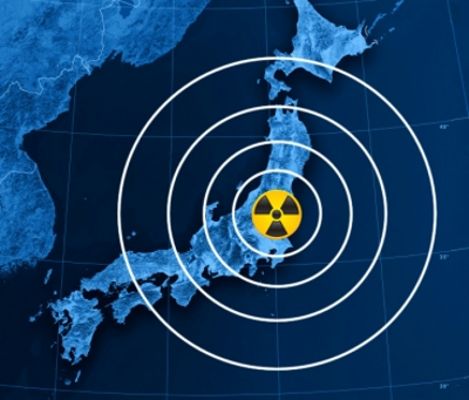
How did this effect the environment?
Many plants, animals, water, and soil are affected by these events. There are plants that have absorbed radiation and are now contaminated. The soil around this area is now filled with radiation, which means that plants can't grow and crops, such as rice, can't be harvested. There are animals such as monkeys and butterflies that have been greatly affected by the radiation. The monkeys that live near the Power Plant site have a lower blood count cells than those that live away from the site. Also, a common butterfly, the pale blue butterfly, is experiencing slow growth, stunted growth, and high mortality rate near the power plant. Not only does this affect the animals, but this also leads to a major downfall in the amount of food available for humans. Parts of the Pacific Ocean that are near Fukushima are closed for fishing due to the high levels of radiation in the seafood.

How did this effect humans and their health?
There are many individuals whose health was affected by this disaster. The doctors in Japan are seeing a rise in the number of diseases that patients have since the disaster. Many of them believe that these illnesses are due to the radiation from the nuclear explosion but aren't allowed to tell their patients the cause of their illness. They don't want to cause more chaos and worry in society. Many instances of thyroid cancer have been found in children. There were 89 cases of thyroid cancer in a sample of less than 300,000 children. Many other health related issues caused by radiation include tumors and genetic disorders. Even after four years, this disastrous chain of events is still affecting the citizens. No one knows when the lingering hazards will be removed to make a safe environment for the citizens of Japan.

Sources:
Fukushima Update
http://fukushimaupdate.com/deaths-tied-to-fukushima-nuclear-disaster-up-18/
Vice News
https://news.vice.com/article/no-one-wants-you-to-know-how-bad-fukushima-might-still-be
Ocean Health Index
http://www.oceanhealthindex.org/News/Radioactive_Fukushima_July
Tech Times
http://www.techtimes.com/articles/13316/20140818/fukushima-disaster-show-effects-of-radiation-in-animals-plants-study.htm

No comments:
Post a Comment