Tuesday, April 21, 2015

Blogging

Is blogging an effective learning tool?

  Throughout my use of blogging in class, I feel that I have learned much more that I would have if this class were conducted in a conventional matter.  I believe that blogging is an effective learning tool.  In my experience, I was able to do my own research and use the information that I feel was important.  This way of learning steers away from taking notes in a class and then memorizing them for a test a few weeks later.  Blogging really gives the students the motivation to research and learn about what interests them in a particular topic.  
  In most of my classes now, it's difficult for me to learn the information because I have no way to relate to what I'm learning about.  I get bored in class and don't want to do the mindless homework or readings.  With blogging, I'm able to read about the topic on my own and draw connections between the topic and my life.  This allows me to retain the information better, and actually feel like I'm learning in class.  I look forward to researching the information because I know that I have the ability to choose what I want to focus on.  The blogs are in my own words, which also helps me better understand the material or topic.  For me, sometimes after I'm done with my blog, I keep researching the topic because it's interesting to me.  I feel that this happens for other students as well, which really benefits me knowledge on the topic even after the blog.
  Another reason that I feel blogging is an effective learning tool is the lack of stress involved.  I can write the blog on my own time and I have a little bit of freedom with what I write about the topic.  This allows for me to really enjoy the research and enjoy writing about what I have found.  Although the blogs take some time to write, I feel that the work is definitely worth it for the knowledge that I have gained.  It is also less stressful because it allows for the students to do the work throughout the school year, rather than trying to memorize everything for a final exam at the end of the year.  
  Blogging also allows for online record of your work and knowledge throughout the class.  I know that I don't have to hunt down any papers or worry about having thrown them away, because all my work and thoughts are online.  In the future, if I ever want to look back on what I've done in the class, I can always look it up online.  Overall, I love the idea of blogging as a tool for learning.  I think that it benefits the students more than a conventional class. 


Tuesday, April 14, 2015

Solid and Liquid Waste

What is waste? 

  Waste is anything that is unwanted or has been used up.  If the item has fulfilled its purpose and is no longer wanted, then it becomes waste.  Waste can come from a variety of different sources, such as packaging, furniture, clothing, food, bottles, paper, and much more.  This can become an issue when people are creating too much waste.  There are location limits as to where we can put all of these unwanted products.  The Earth isn't getting any larger, and the population is only increasing.  If we don't become more aware of what we are throwing away, waste management becomes the issue.  People in society today are not always conscious of what they are throwing away at the time.  We put in it the trashcans and once a week someone takes it away.  We never see it again, which is why society isn't aware of the amount of waste they produce.  It is our job to become more aware of our impact on the environment when it comes to waste disposal.  

How can I learn more?

  The best resource for finding more information is the Ohio Environmental Protection Agency.  Once on this page, under the 'Divisions and Offices' tab, click on 'Materials and Waste Management.'  On this page, you can find out more information about different programs conducted.  There is a lot of information on this website, and many others that are helpful when learning about waste management. There are different tips for limiting and reducing the waste that is produced.  Overall, it's important for society to be aware of the influence that they have on their surroundings.  If society doesn't change its habits, the waste is only going to grow out of control

What can I do?

  Waste affects the whole population, whether they know it or not.  There are many different ways that society can change their habits to better the environment.  One of the main ways to limit waste is to recycle.  Recycling is a way to reuse products after they have had their initial use.  Not only does recycling reduce the amount of waste that you produce, but it also allows for more environmentally products to be made from the recycled material.  There are other various ways to reduce the amount of waste produced, recycling is just one.  Now it's your job to go learn more about the ways that you can limit your waste production. 

Sources:
   Full Cycle: Green by Nature
     http://www.fullcycle.co.za/index.php/what-is-waste-and-why-is-it-a-problem.html
  Ohio EPA 
     http://epa.ohio.gov
  Ohio EPA: Recycling 
     http://epa.ohio.gov/ocapp/recycling.aspx#164884406-basics

Tuesday, April 7, 2015

Air Quality in Ohio

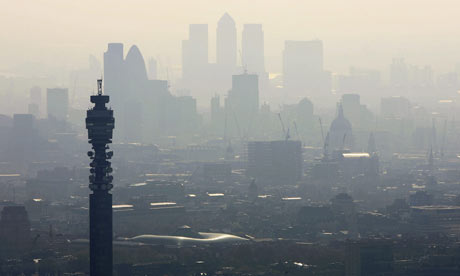
   There are many countries around the world then tend to no have sufficient air quality.  Here in the United States, we are fortunate to have better air quality than those in places such as Linfen, China.  Our government sets standards and tests the air regularly to ensure safe breathing air for the citizens.  The Ohio Environmental Protection Agency deals with the air quality in Ohio. They have many difference locations for air quality testing, and keep undated data on their website for public information.

  Many individuals don't even know that the air quality data is something that they have easy access to.  With the new technology of the internet, this data can be sent around the nation instantaneously.  The best way to find this information about the air quality in Ohio is to go onto the Ohio Environmental Protection Agency's website.  Once on this page, the 'Divisions and Offices' tab will then lead you to the link for 'Air Pollution Control.'  Then, about half way down the page, click on the 'Programs' tab, and the first program will be 'Air Monitoring.'  Then follow the links to Ohio Air's Website.  It may be confusing at first, but once you know how to get to the information, it's easy to go back and find it.  There are many different sources of information on this page, including air quality maps of Ohio, air monitoring sites, and how the air quality can affect your health.
   The constantly updated map shows the different levels of air pollution and air quality and how they affect the health of individuals.  The ratings range from having little to no harm on the health of the population to a health alert where everyone in the area is expected to contract damage from the air.  This is helpful to keep track of when traveling or even for the area that you live in.  This informational cite is a great way to stay up to date on the air that you are breathing in.  It's important that citizens are aware of their environment and how it's changing based on society and industrialization.


Sources:
  Ohio EPA
     http://epa.ohio.gov
  Air Ohio  
     http://www.epa.state.oh.us/dapc/airohio/index.aspx
  Air Quality Index
     http://www.epa.state.oh.us/portals/27/airohio/AirQualityandYourHealth.pdf

Tuesday, March 31, 2015

Safe Food Temperatures: Hot and Cold

What are the safe food temperatures?

  There are different safe temperatures for different foods.   The reason that these foods have to be kept at certain temperatures is to keep bacteria and other harmful disease causing species from growing on the food that you eat.  If the bacteria are not killed properly, then those that consume the product are subject to a wide range of food borne illnesses.  There common sources of illness from food including E. coli and Salmonella.  No one want to experience how these bacteria affect your body.  The way to fix this is to make sure that the food your store and cook is kept at the right temperature.  Poultry is to be cooked to about 165 degrees Fahrenheit.  Egg dishes and ground meat should be cooked to a minimum of 160 degrees Fahrenheit.  Beef and pork need to be cooked to no less than 145 degrees Fahrenheit.  These meats have different minimum cook temperatures due to the nature of the food.  As long as you cook the food to this temperature or higher, all of the bacteria should be killed, making the food safe to eat.  Not only are there safe cooking temperatures, but there are also safe storing temperatures.  When storing food in the refrigerator, the temperature needs to be kept at 40 degrees Fahrenheit to ensure that the food is not growing harmful bacteria.  When freezing food, the temperature in the freezer needs to stay at 0 degrees Fahrenheit.  These guidelines will make sure that the food you store and cook is safe to eat.  


What is the danger zone?

  The danger zone is the range of temperatures where bacteria thrives.  If food is cooked or stored in between this range, there is the highest risk for bacteria growth and contamination.  This danger zone is between 40 and 140 degrees Fahrenheit.  Bacteria love warm and moist areas where they are able to reproduce quickly.  Interestingly, our average body temperature is right in the middle of this danger zone.  It makes sense because the good bacteria in our body need to thrive in an environment where they are able to live and do their job.  Although our body is kept in the danger zone, the food that we eat should never be able to reach the danger zone.  A rule of thumb to make sure that the food is not contaminated is that if it has been sitting out for over 2 hours, then throw it away.  Better safe than sorry.  Overall, it is most important to keep our body healthy if the food we eat is safe and hazardous bacteria free.


Sources:
  United States Department of Agriculture
     http://www.fsis.usda.gov/wps/portal/fsis/topics/food-safety-education/get-answers/food-safety-fact-sheets/safe-food-handling/danger-zone-40-f-140-f/ct_index
  Food Safety
     http://www.foodsafety.gov/keep/charts/mintemp.html
  Food Safety Information Council
     http://www.foodsafety.asn.au/resources/temperature-danger-zone-keep-hot-food-hot-and-cold-food-cold/

Tuesday, March 24, 2015

Water Quality: Potassium

How do I find out about my water quality?

   The best thing to do when you are unsure of something is to get informed.  It's very important to be educated and learn more about your environment.  One way to learn more about your drinking water is to go on the Ohio Department of Health website.  This is a very valuable resource that can answer many questions you have or point you in the correct direction for answers.  For example, if you want to know more about the quality of the water you drink, this is the place to be.  After you are on the Ohio Department of Health website, click on the letter 'W', then go to 'Wells and Private Water Systems', then on the left-hand site click on 'Water Quality.'  Once you are here, the possibilities are endless.  It's up to you to take the reigns and learn more about the water you drink.  There are many different contaminates you can learn more about, along with how they affect the water quality. 

What is Potassium? Will it harm me? 

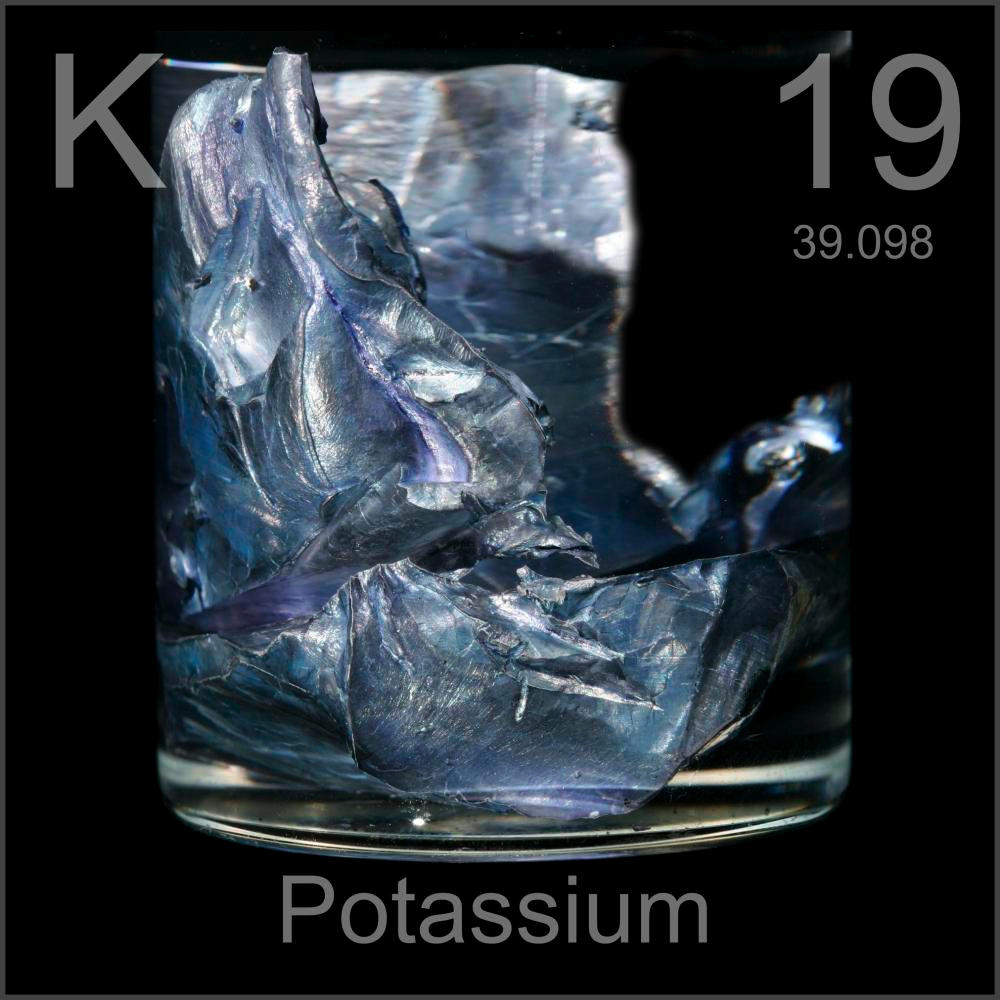
  Potassium is one of the many substances that are in our drinking water.  You may be surprised to know that not everything in our drinking water is bad.  This is one of those examples.  Potassium is an element that is usually found in different rocks and soil.  It is a naturally occurring element that has been running into our water from the soil and rocks.  Potassium is color-less and odor-less, so most people have no idea that it's in the water just by looking.  The good thing about Potassium is that it is harmless to healthy individuals.  Our body's actually need Potassium to function believe it or not.  The only time where it may become an issue is if an individual has a disease or takes medicine that effects how our body handles Potassium.  The common diseases where Potassium become an issue are kidney disease, heart disease, and diabetes.  So overall, there is no harm from Potassium to healthy individuals, but if someone does have one of the diseases listed above, there are ways to treat the water.  Now the research is up to you!  It's your turn to take control and learn more about the many ways that water can be treated.  


Sources:

  Ohio Department of Health
     https://www.odh.ohio.gov/default.aspx
  The Drop on Water: Potassium 
     http://www.novascotia.ca/nse/water/docs/droponwaterFAQ_Potassium.pdf

Tuesday, March 17, 2015

Fukushima Today

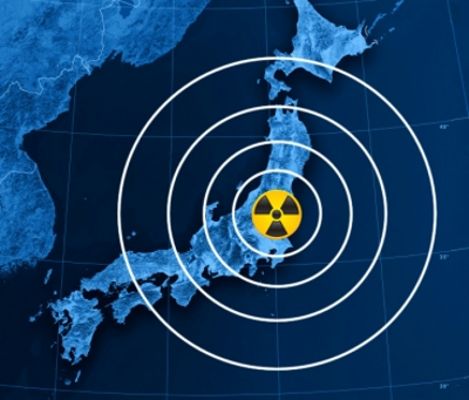
    In March of 2011, the Fukushima Daiichi Nuclear Power Plant experienced a magnitude-9 earthquake followed by a tsunami.  These two disasters, one after the other, destroyed the power plant and created a nuclear explosion, which in turn released radiation into the public.  All of the events of this disaster lead to 19,000 deaths and over 350,000 residents were forced to move.  Even today, four years after the major disaster, those that live in Japan near this catastrophe are still experiencing the effects of this event.  

How did this effect the environment?

   Many plants, animals, water, and soil are affected by these events.  There are plants that have absorbed radiation and are now contaminated.  The soil around this area is now filled with radiation, which means that plants can't grow and crops, such as rice, can't be harvested.  There are animals such as monkeys and butterflies that have been greatly affected by the radiation.  The monkeys that live near the Power Plant site have a lower blood count cells than those that live away from the site.  Also, a common butterfly, the pale blue butterfly, is experiencing slow growth, stunted growth, and high mortality rate near the power plant.  Not only does this affect the animals, but this also leads to a major downfall in the amount of food available for humans.  Parts of the Pacific Ocean that are near Fukushima are closed for fishing due to the high levels of radiation in the seafood. 

How did this effect humans and their health?

  There are many individuals whose health was affected by this disaster.  The doctors in Japan are seeing a rise in the number of diseases that patients have since the disaster.  Many of them believe that these illnesses are due to the radiation from the nuclear explosion but aren't allowed to tell their patients the cause of their illness.  They don't want to cause more chaos and worry in society.  Many instances of thyroid cancer have been found in children.  There were 89 cases of thyroid cancer in a sample of less than 300,000 children.  Many other health related issues caused by radiation include tumors and genetic disorders.  Even after four years, this disastrous chain of events is still affecting the citizens.  No one knows when the lingering hazards will be removed to make a safe environment for the citizens of Japan. 


Sources:
  Fukushima Update
     http://fukushimaupdate.com/deaths-tied-to-fukushima-nuclear-disaster-up-18/
  Vice News 
     https://news.vice.com/article/no-one-wants-you-to-know-how-bad-fukushima-might-still-be
  Ocean Health Index
     http://www.oceanhealthindex.org/News/Radioactive_Fukushima_July
  Tech Times
     http://www.techtimes.com/articles/13316/20140818/fukushima-disaster-show-effects-of-radiation-in-animals-plants-study.htm

Wednesday, March 11, 2015

Glyphosate in Food

What is Glyphosate?

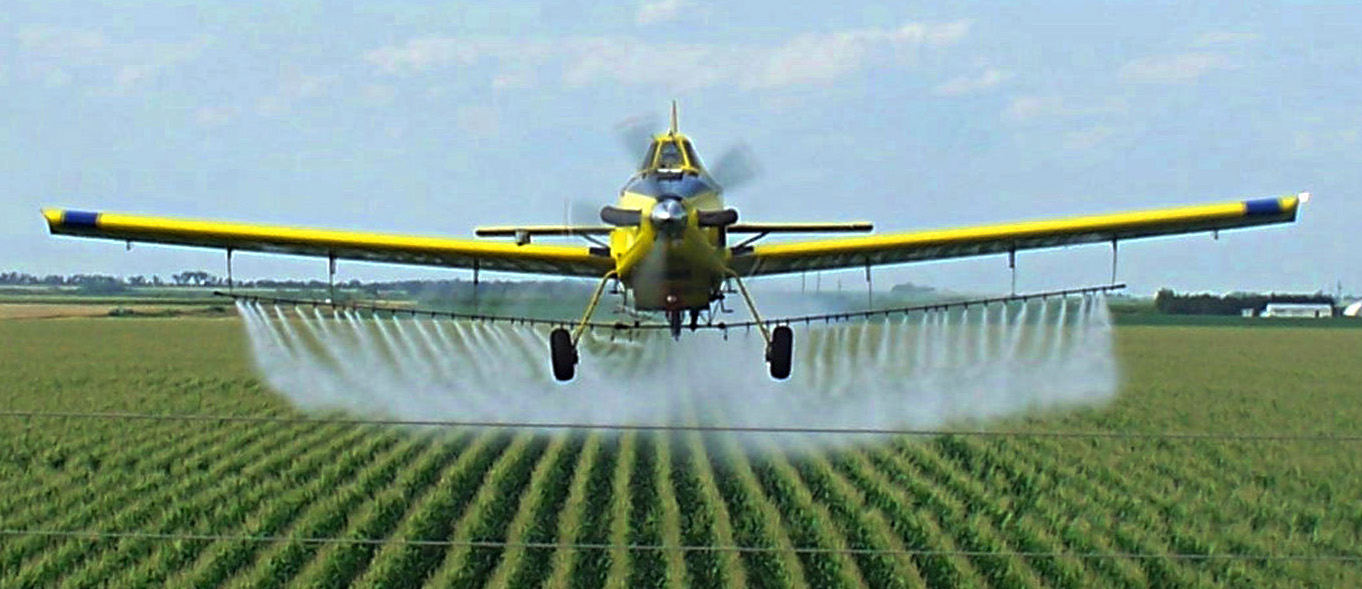
  Glyphosate is the main ingredient in Monsanto's RoundUp Herbicide.  This is a product that is meant to kill plants which gets rid weeds and other unwanted plants.  When glyphosate is in action in plants, it prevents certain proteins from being made in the specific plant.  Due to the fact that these proteins aren't being made, the plan cannot grow, and therefore it dies.  Many farmers use this product to kill off weeds and other plants that are taking nutrients from they crops.  The concern for this product is the fact that the crops are being contaminated too.  While the farmer is trying to spray the unwanted plants, there is no way to prevent the herbicide from getting on the crops that he is growing to be sold later.  The two main crops being contaminated are a big part of today's society: soy and corn.  This causes issues later down the road when our food supply is being contaminated with toxic products and the citizens are consuming these infected crops.


Why is it dangerous?

   Glyphosate is a dangerous alone, but when it comes into contact with humans, it causes many harmful effects.  The toxic chemical is not meant to be able to infect humans.  One of the main issues with this chemical is that fact that it is systemic.  This means that the chemical spreads through all of the cells in the crops, and cannot be washed off.  The chemical is then ingested into those that consume the contaminated product.  Many studies have been done showing the harmful affects that these chemicals have on humans after entering their system.  The common concerns are birth defects, reproductive disorders, tumors, blood cell damage, kidney disease, and cancer.  The high levels of glyphosate that have infected these crops has an average of 11.0 parts per million.  These chemicals are at a dangerous level, which causes the diseases stated above.


What do we do?

  This is a major concern for many individuals all around the world.  Although it is an issue, there are many ways to avoid contact or decrease contact with such harmful chemicals.  One of the main ways to combat these chemicals is to check labels.  Reading the labels will let you know what you and your loved ones are coming into contact with.  This will help gain knowledge and be more aware of what you are putting near your body.  Another thing to check is that the animals are being grass fed to avoid them eating the chemicals that will in turn transfer into your system.  A way to ensure grass fed animals and a chemical free product is to support local farmers and small businesses.  Even when you think you are sure the projects are safe, make sue to double-check the labels and information about where your products are coming from.  Lastly, the best way to make a statement about this issue is to boycott businesses that are using these harmful chemicals and products.  Overall, it's up to you to make sure that everything you consume is safe.


Sources:
  National Pesticide Information Center
     http://npic.orst.edu/factsheets/glyphogen.html
  Environmental Working Group
     http://www.ewg.org/agmag/2014/04/extreme-levels-herbicide-roundup-found-foo
  Take Control of Your Health
     http://articles.mercola.com/sites/articles/archive/2014/05/20/glyphosate-roundup-levels.aspx
  GMO Awareness
     http://gmo-awareness.com/resources/glyphosate/