What is Ebola?
Ebola Virus Disease (EVD), also known as Ebola Haemorrhagic Fever, is a virus that has been transferred to humans from wild animals. This disease is extremely fatal if come in contact with. The symptoms start with fever, fatigue, muscle pain, sore throat, and many other flu-like symptoms. After this wave of sickness, vomiting, diarrhea, and rash are common. Another common sign is that of symptoms of liver or kidney damage. Inside the body, the virus attaches to the inside of the blood vessels. This action makes the blood less thick, which leads to leaking of blood out of the blood vessels. In as little as ten days since the start of the symptoms, the individual can go into a coma and lose their life. So far, there has been no proven vaccine or treatment to cure this horrible disease.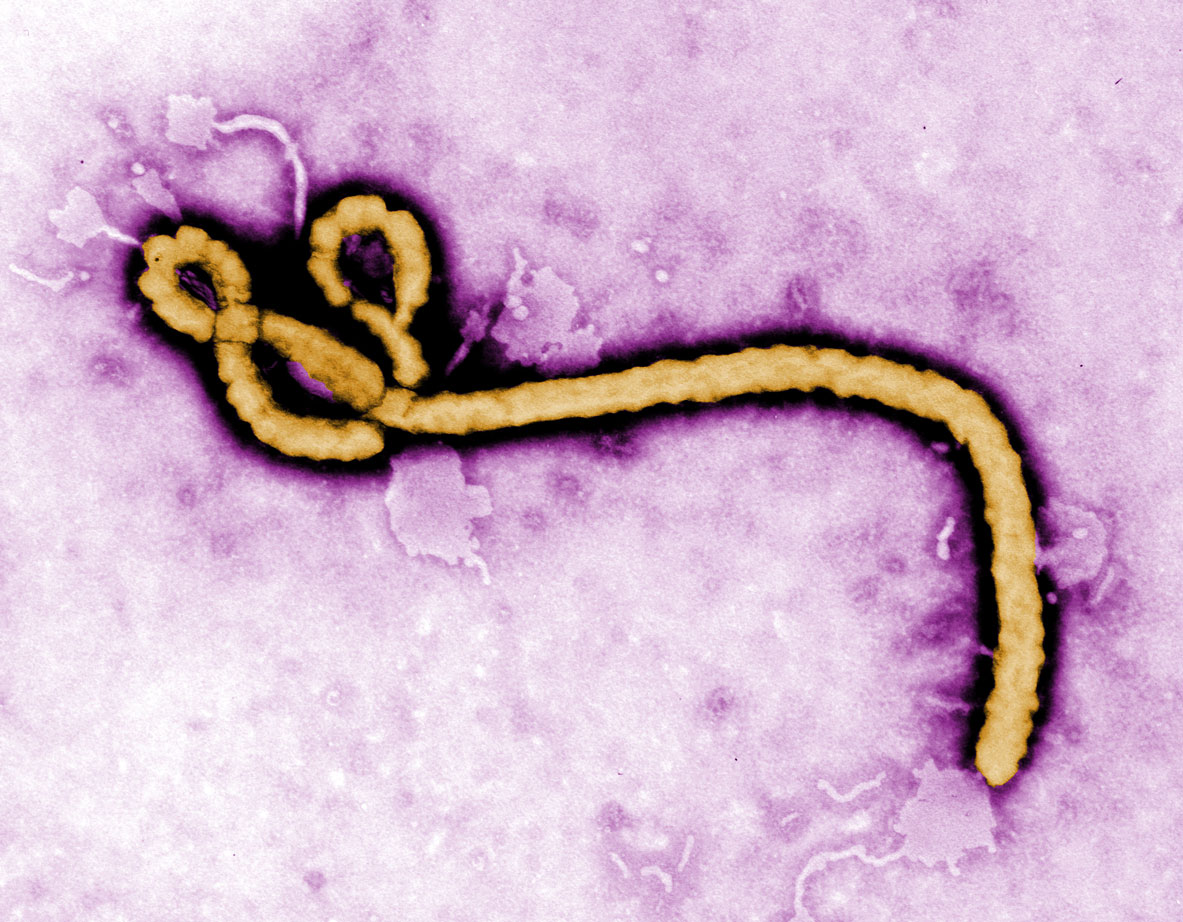
Where did it come from?
Ebola was first discovered in 1976 in Sudan and the Democratic Republic of Congo. The name comes from the outbreak of this disease near the Ebola River. The main outbreaks today are in Liberia, Sierra Leone, Guinea, and Nigeria. The disease is thought to have come from bats, gorillas, monkeys, or other animals living in the forest. Once in humans, the disease is spread through bodily fluid of those that are infected. It is not an airborne disease. The disease has only gotten worse over time with the increased amount of travel around the world. Even if one person is affected and doesn't get treated properly or quarantined, they can be the cause of a major outbreak. Those that treat these individuals are also at a higher risk due to such close contact with infected patients. This disease will only continue to spread if certain precautions aren't taken to ensure that it won't infect others.Am I at Risk?
As most illnesses, everyone is at risk for contracting a disease, such as Ebola. There are many ways to prevent this disease from coming in contact with you or your loved ones. Overall the main suggestions are to stay clean and sanitized, limit exposure to those who are sick (even if they don't have Ebola), and limiting travel. The list below contains suggestions for ways to prevent this disease from spreading.
- Limiting travel to areas of infection
- Washing hands, or using hand sanitizer
- Avoiding open wounds or body fluid of others
- Don't eat raw or undercooked meat
- Avoiding those who are sick along with avoiding things they contact
- Stay away from animals that have been known to carry this disease
- Avoid being near and don't touch deceased bodies of those who had Ebola
- Report any unprotected exposure

Sources:
Centers for Disease Control and Prevention
http://www.cdc.gov/vhf/ebola/outbreaks/2014-west-africa/qa.html
World Health Organization
http://www.who.int/mediacentre/factsheets/fs103/en/
HuffPost Healthy Living
http://www.huffingtonpost.com/2014/08/02/ebola-symptoms-infection-virus_n_5639456.html


